Education and training in Gorongosa
About the project
The district of Gorongosa, located in the northern part of Sofala Province in central Mozambique, was one of the districts most affected by the conflict that broke out between 2012 and 2019, as it is the birthplace of the founder of the anti-government movement that later became RENAMO.
The conflict exacerbated the local socio-economic situation: social exclusion on the basis of political affiliation , difficult access to natural resources due to climate change, difficulty in finding work, also linked to strained relations between local communities and the protected area of Gorongosa National Park (a significant number of inmates at Gorongosa Prison are convicted of environmental crimes – poaching, misuse of natural resources), school dropout rates and early marriages, often due to family economic hardship.
Against this backdrop, the project aims to contribute to the creation of a collectively implemented peace process for a more equitable and inclusive Gorongosa.
The integrated approach used takes into account the multidimensional needs of families, often exacerbated by various conflicts.
The underlying theme of this intervention is the building of a peaceful environment, through the promotion of dialogue and the social and economic inclusion of the most vulnerable groups.
The project operates in three areas: raising community awareness of children’s rights and the fight against gender-based violence, to foster a peaceful community; vocational training aimed at creating income opportunities for women, young people and prisoners, with a view to their social reintegration; and children’s education, by ensuring access to teaching materials and combating school dropout and early marriage.
The venue chosen to host some of the activities is the former Gorongosa prison, which was renovated by Helpcode in 2022 and transformed into the country’s first cultural centre in a rural area, serving as an open space for social participation.
Beneficiaries
- 1,185 children from three primary schools, including 643 girls and 542 boys
- 22 teachers, including 5 women and 17 men
- 210 women and young people in vulnerable situations and those detained over the last six months, 50% of whom are women
- 50 school council members
- 35 community leaders and members of local advisory councils
SDG’s that the project contributes to achieving
Funder(s)
- Ville de Genève
Partners
- The Gorongosa District Department of Education, Youth and Technology
- The District Departments of Health, Women and Welfare
- The District Department of Economic Activities
- Gorongosa Community Radio.
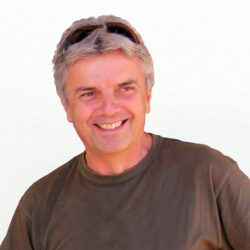
Paolo Gomiero
Country representative – Mozambique